The 2-Inch Steel Ball Test: Understanding Impact Resistance Before the Hail Hits
Protect your home from July storms with impact-resistant roofing built for hail
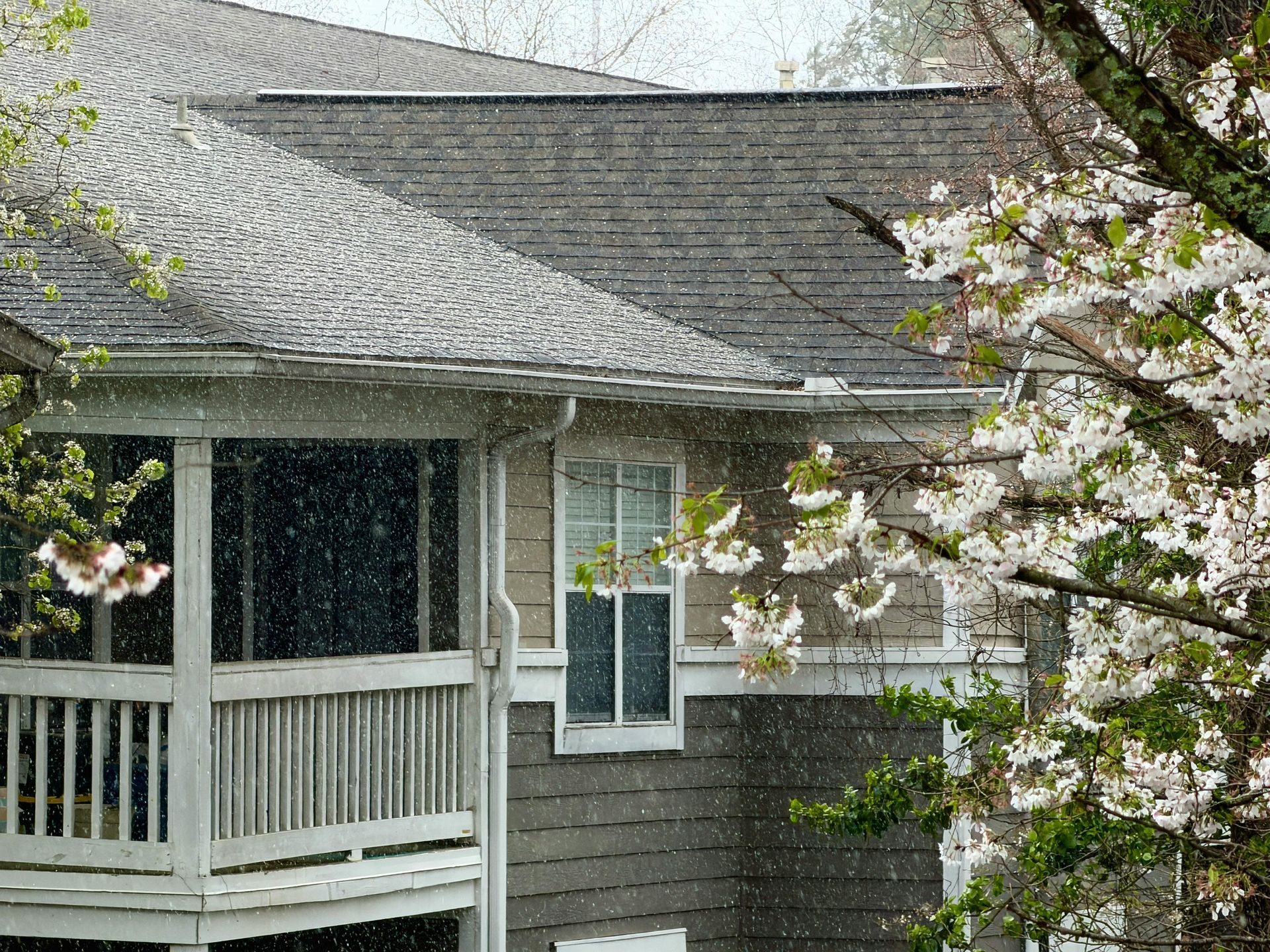
July in Central Pennsylvania is known for its beautiful summer evenings, but it is also the peak season for sudden, violent thunderstorms. In the Nittany Valley, these storms can roll over the ridges with very little warning, bringing heavy rain, high winds, and—most damaging to your home—hail. While most homeowners in State College and Bellefonte focus on the wind, it is the impact of hail that often causes the most long-term financial pain.
At Stoltzfus Bros Roofing, we believe in being prepared before the storm hits. When we talk to homeowners in Boalsburg or Lock Haven about a roof replacement, one of the most important technical specifications we discuss is the UL 2218 Class 4 rating. This isn't just a marketing term; it is a rigorous engineering standard that determines whether your asphalt roofing system will survive a summer storm or leave you dealing with an insurance claim.
The Science of the Steel Ball Test
To earn a Class 4 rating, shingles must pass what is known as the "Steel Ball Test." This is a controlled laboratory procedure designed to mimic the devastating impact of large hailstones. During the test, a 2-inch polished steel ball is dropped twice from a height of 20 feet directly onto the same spot on the shingle.
For the shingle to pass and receive the Class 4 designation, it must show no signs of tearing, cracking, or visible breakage on the back of the shingle mat after the impact. To put this in perspective, a 2-inch steel ball dropped from that height hitting your roof is roughly equivalent to the force of a large hailstone being driven by 70 mph winds. Most "standard" shingles will fail this test, resulting in a fractured asphalt mat that allows water to seep through almost immediately.
Why Class 4 Matters for State College Homeowners
In Central Pennsylvania, our weather is unpredictable. We don't get hail every day, but when we do, it tends to be significant. Investing in a Class 4 impact-resistant shingle, such as the Owens Corning Duration FLEX or Storm lines, provides three major benefits for your home:
- Preventing the "Hidden" Leak: High-impact shingles are designed with SBS modified bitumen (a rubberized asphalt). This makes them more flexible and "rubbery," allowing them to absorb the energy of a hailstone and bounce back rather than shattering. This prevents those tiny fractures that lead to slow leaks and rotted roof decks.
- Increased Roof Longevity: Because these shingles are tougher and more flexible, they also handle the extreme heat of a Pennsylvania July and the deep freezes of January much better than standard shingles. They are less likely to become brittle over time.
- Insurance Premium Discounts: Many insurance providers in the State College area offer substantial discounts—sometimes as much as 20%—on your homeowners insurance premiums if you have a certified Class 4 roof. They recognize that a "hail-proof" roof is a much lower liability for them.
Comparing "Standard" vs. "Impact-Resistant"
When you are looking at a roofing estimate in Centre Hall or Pleasant Gap, the price difference between a standard architectural shingle and a Class 4 shingle can feel like a hurdle. However, it is important to view this through the lens of a long-term investment.
A standard shingle is designed primarily to shed water. An impact-resistant shingle is designed to survive. In neighborhoods like Lemont and Port Matilda, where tall trees and open valleys can create "wind tunnels" during July storms, the extra durability of a Class 4 system often pays for itself after the very first major weather event. It is the difference between simply having a roof and having a shield.
Professional Installation for Ultimate Protection
Even the toughest Class 4 shingle will fail if it isn't part of a complete, professionally installed roofing system. At Stoltzfus Bros Roofing, we ensure that every component—from the heavy-duty underlayment to the specialized starter shingles—is designed to work together. We’ve seen firsthand how a properly installed impact-resistant roof can stand tall while neighboring roofs are being stripped of their shingles during a summer microburst.
Serving State College, Bellefonte, Lock Haven, Boalsburg, Centre Hall, Lemont, Port Matilda, Pine Grove Mills, and Pleasant Gap, we take pride in helping our neighbors build homes that are ready for whatever the Pennsylvania sky throws at them.
Don't wait until the hail is bouncing off your deck to wonder if your roof can handle it. Contact us today to learn more about Class 4 impact resistance and get a professional assessment of your home's storm readiness.
Our Reliable and Efficient Team is Ready To Help.
Recent Posts