The Humidity Hazard: Why Your Attic is a Petri Dish Before July Hits
Protect your attic from heat, moisture, and mold before summer humidity hits
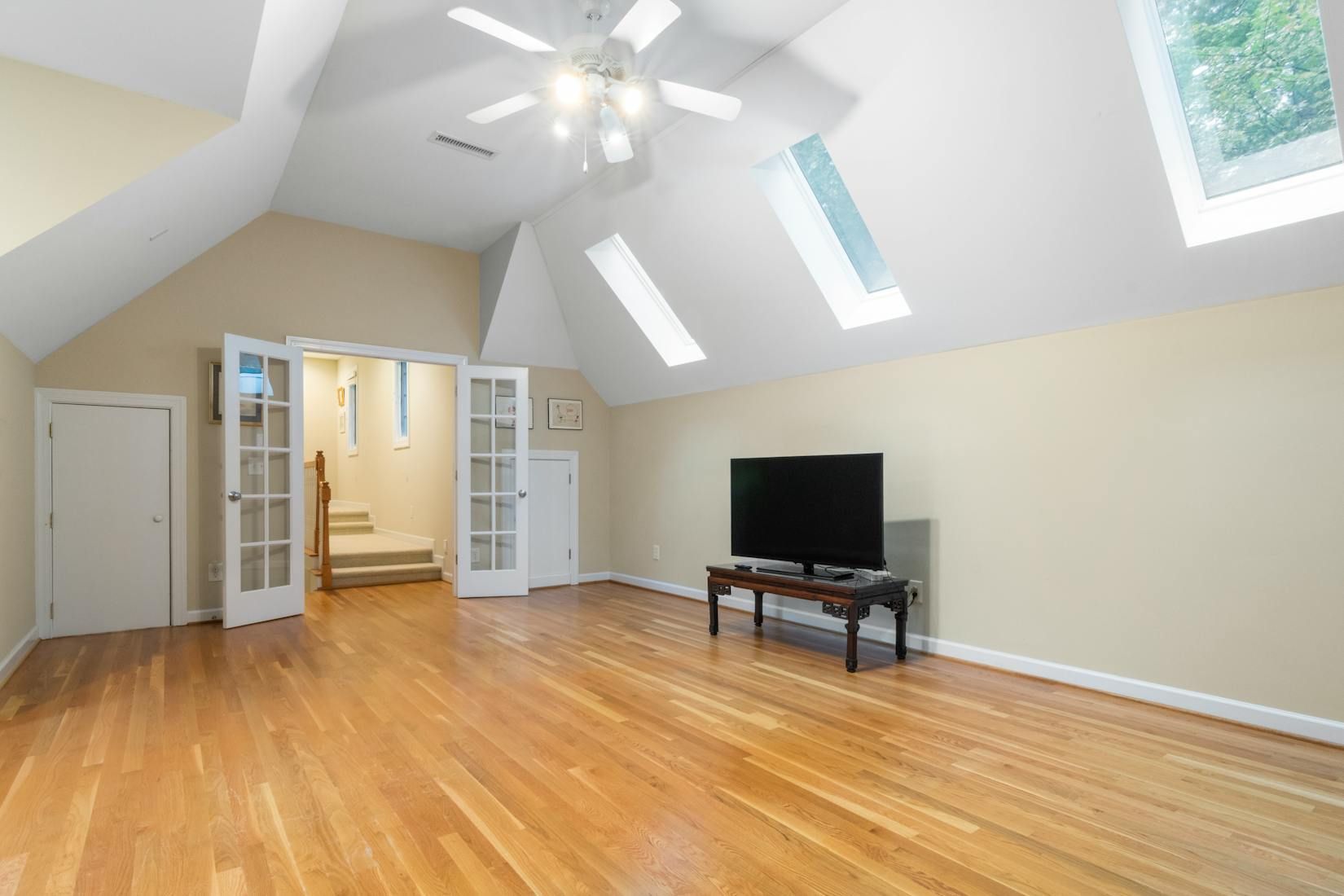
As the calendar turns toward the end of May, the air in Central Pennsylvania begins to change. We trade the crisp, cool breezes of early spring for the heavy, humid atmosphere that defines our region's summers. While most homeowners are busy tuning up their air conditioners or preparing their backyard patios in State College and Bellefonte, there is a silent transformation happening at the highest point of your house. Without proper attention, your attic can quickly turn into a literal petri dish of moisture, heat, and organic growth before the first firework even goes off in July.
At Stoltzfus Bros Roofing, we spend a lot of time talking about shingles, but the truth is that a roof is only as good as the ventilation system underneath it. In a climate like ours—stretching from the valleys of Lock Haven to the ridges of Port Matilda—managing humidity is a year-round battle. However, May is the critical window where that battle is often won or lost.
The Science of the "Dew Point" in Your Attic
To understand the humidity hazard, you have to understand the science of how your home breathes. Humidity is essentially water vapor suspended in the air. As the sun beats down on your asphalt shingles in Boalsburg or Lemont, the air inside your attic space heats up rapidly. Warm air has the capacity to hold much more moisture than cool air.
The problem arises when that warm, moist air meets a cooler surface—like the underside of your roof deck during a cool Pennsylvania night. When the temperature drops, the air reaches its "dew point," and that suspended water vapor condenses into liquid droplets. If your attic isn't breathing correctly, this water has nowhere to go. It soaks into your insulation, dampens your wooden rafters, and creates the perfect humid environment for mold and mildew to thrive.
Why May is the "Danger Zone" for Mold Growth
Mold spores are everywhere, but they need three things to grow: food (the wood and paper backing in your attic), a specific temperature range, and moisture. In May, we hit the "sweet spot" for all three. The rising temperatures provide the heat, and the spring rains provide the humidity.
If your attic ventilation is blocked—perhaps by over-stuffed insulation in the eaves or bird nests in the soffits—the air becomes stagnant. This stagnant, "swampy" air accelerates the breakdown of your building materials. By the time July hits and the outdoor humidity reaches its peak, an unventilated attic in Centre Hall or Pleasant Gap can actually be 50 degrees hotter than the outdoor temperature. This doesn't just encourage mold; it actually "cooks" your shingles from the bottom up, causing them to become brittle, lose their protective granules, and fail years before they should.
Spotting the Signs of an Invisible Crisis
Since most of us don't spend our weekends hanging out in the attic, the humidity hazard often goes unnoticed until it becomes an expensive roof repair. However, there are a few tell-tale signs you can look for this month:
- The "Musty" Whiff: If you open your attic hatch and are hit with a heavy, earthy, or metallic smell, you have an active moisture problem.
- Rusty Nails: Look at the nails protruding through the roof deck in your attic. If they are rusty or have white "frosting" on them, it’s a sign that condensation is regularly forming and sitting on the metal.
- Matted Insulation: Check your floor insulation. If it looks flat, crusty, or has dark spots, it has likely been soaked by condensation, which ruins its R-value and drives up your cooling bills.
- Dark Stains on the Sheathing: Look for black or gray spotting on the plywood roof deck. This is often the first stage of mold colonization caused by poor airflow.
The Stoltzfus Bros. Ventilation Audit
A healthy roof needs to "inhale" cool air through the soffits (the underside of your eaves) and "exhale" hot, moist air through a ridge vent or gable vents. At Stoltzfus Bros Roofing, we specialize in auditing these systems for homeowners across State College, Bellefonte, Lock Haven, Boalsburg, Centre Hall, Lemont, Port Matilda, Pine Grove Mills, and Pleasant Gap.
We check to ensure your intake vents aren't clogged and that your exhaust vents are properly sized for the square footage of your attic. Sometimes, the solution is as simple as installing baffles to clear the airway; other times, it requires a more robust ventilation upgrade to handle the specific humidity challenges of a Central PA summer.
Securing Your Home Before the Heatwave
Waiting until August to address attic humidity is a gamble that usually results in higher energy bills and structural damage. By taking a proactive approach in May, you ensure that your home stays cool, your air is healthy, and your asphalt roofing system lasts for its full intended lifespan.
A well-ventilated home is a more comfortable home. It preserves your insulation, protects your roof deck from rot, and prevents shingles from premature aging. Don't let your attic become a science experiment this summer.
Contact us today to schedule a comprehensive ventilation audit and ensure your roof is breathing easy before the July heat arrives.
Our Reliable and Efficient Team is Ready To Help.
Recent Posts