The Thermal Bridge: How Your Roof is Stealing Your Air Conditioning
Help your home stay cooler with a roof built to reduce summer heat
As we reach the middle of June in Central Pennsylvania, the sun is at its highest point in the sky. While we all love the long evenings in State College and the beautiful weekend weather in Bellefonte, this is also the time of year when your home’s cooling system starts to work overtime. If you feel like your air conditioner is running constantly but your upstairs bedrooms still feel like a sauna, the culprit might not be your HVAC unit. The real thief could be your roof.
At Stoltzfus Bros Roofing, we often talk to homeowners in Boalsburg and Lemont who are frustrated by rising energy bills. They’ve upgraded their windows and serviced their AC, yet the house remains stubborn. This is usually due to a phenomenon known as the "thermal bridge." Your roof, if not properly equipped, acts as a massive conductor that absorbs the sun’s radiant energy and dumps it directly into your living space, essentially stealing the cool air you’re paying for.
The Science of Heat Transfer: Why Standard Roofs Get So Hot
On a typical 85-degree June day in the Nittany Valley, a standard dark asphalt roof can reach temperatures upwards of 150 degrees. This happens because traditional asphalt shingles are designed to absorb light. This heat doesn't just stay on the surface; it travels through the shingles, through the wooden roof deck, and into your attic via conduction.
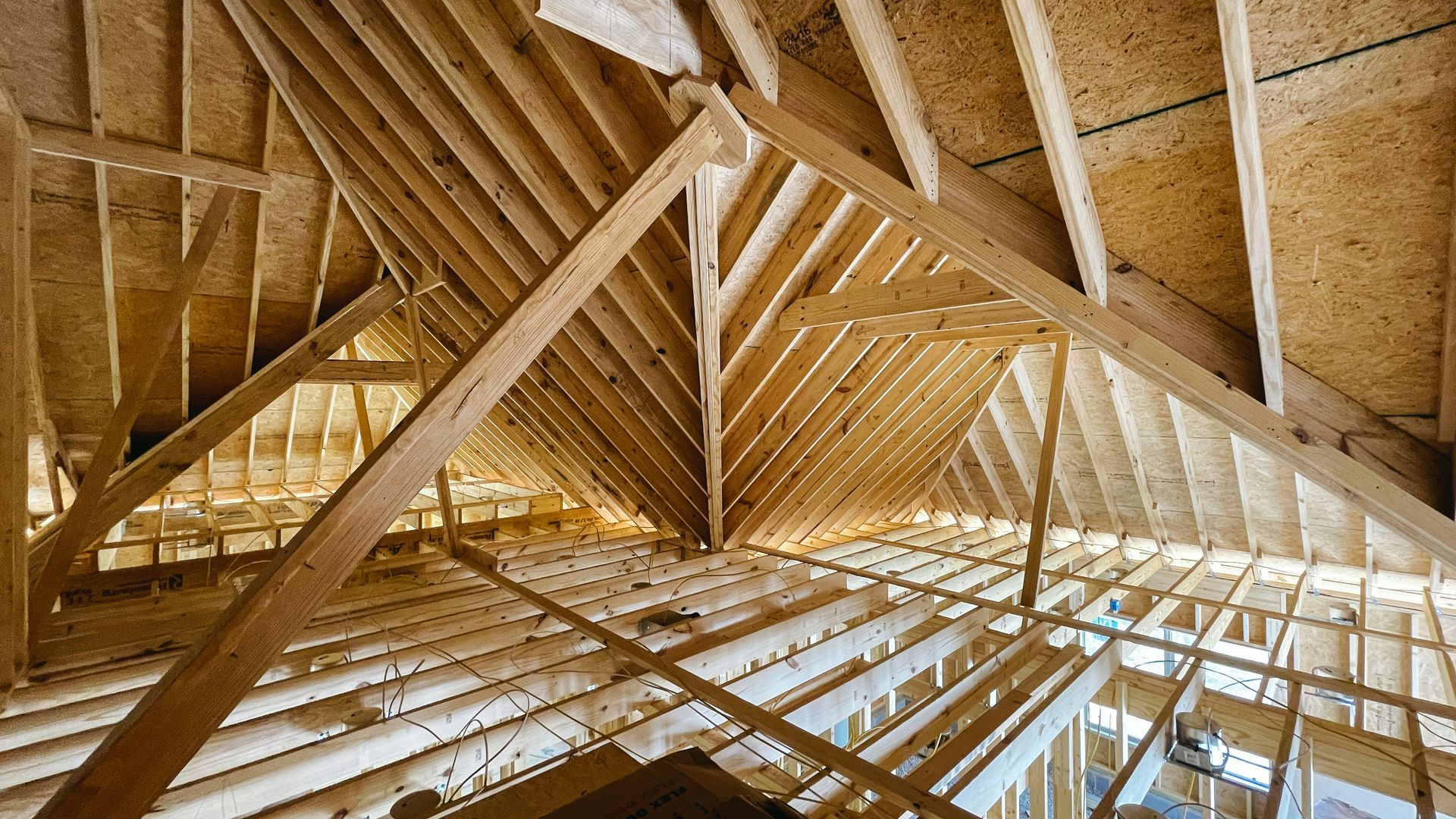
Once that heat is in your attic, it creates a "thermal reservoir." If your insulation is thin or your ventilation is poor, that heat eventually pushes through your ceiling and into your bedrooms. This is why the second floor of a home in Port Matilda or Pine Grove Mills is often significantly warmer than the first. Your air conditioner has to fight against a constant "bridge" of heat coming from above. In essence, your roof is working against your cooling system 14 hours a day.
Introducing Cool Roof Technology: Solar PROtect™ and Beyond
The good news is that roofing technology has evolved significantly to combat this specific problem. In 2026, we are seeing a massive shift toward "Cool Roof" solutions. These aren't just for commercial buildings; they are now a standard for savvy residential homeowners in Lock Haven and Centre Hall.
One of the most effective tools in our arsenal is the use of shingles featuring specialized granules, such as those found in the Owens Corning Solar PROtect™ line. These shingles are engineered with highly reflective properties that bounce a significant portion of the sun’s infrared radiation back into the atmosphere before it ever has a chance to turn into heat.
- Reflectivity: While a standard shingle might reflect only 5-10% of solar energy, a cool roof system can reflect 20-30% or more.
- Emissivity: This refers to the roof's ability to release any heat it does absorb. High-performance asphalt shingles are designed to "cool off" much faster once the sun goes down, preventing that late-night heat radiation into your home.
The Financial Impact: Lowering the IDR-to-CAD Equivalent of Energy Waste
For many of our clients who have international ties or keep a close eye on their global investments, efficiency is a language they speak fluently. Whether you are calculating your home's value in IDR or CAD, energy waste is a universal drain on your resources. By reducing the temperature of your roof deck by even 20 or 30 degrees, you can reduce your home's cooling demand by as much as 15%.
Over the course of a long Pennsylvania summer, those savings add up. A roof that utilizes cool roof technology isn't just a shelter; it’s an active financial asset. It extends the life of your air conditioning unit by reducing its workload and ensures that the money you spend on utilities stays in your pocket rather than leaking out through an overheated attic.
Breaking the Bridge in Your Neighborhood
Breaking the thermal bridge requires a two-pronged approach: high-reflectivity shingles on the outside and proper ventilation on the inside. At Stoltzfus Bros Roofing, we specialize in creating this synergy for homes across State College, Bellefonte, Lock Haven, Boalsburg, Centre Hall, Lemont, Port Matilda, Pine Grove Mills, and Pleasant Gap.
When we conduct a roofing estimate in June, we don't just look for leaks. We look for "hot spots." We use thermal imaging and our deep knowledge of local architecture to see where the thermal bridge is strongest. Sometimes, the solution is a full replacement with energy-efficient shingles; other times, it involves strategic upgrades to your ventilation to create the "Stack Effect," where cool air is pulled in through the soffits to push that hot air out.
Prepare for the July Heat Today
The hottest days of the year are still ahead of us. Don't wait until you're sweating through July to address your home's efficiency. By addressing the thermal bridge now, you ensure a more comfortable summer for your family and a more efficient home for your wallet.
A cool roof is a smart roof. It’s an investment in your comfort, your home's value, and the environment. Let's stop the heat before it crosses the bridge.
Contact us today to learn more about cool roof technology and how we can help you stay cool this summer.
Our Reliable and Efficient Team is Ready To Help.
Recent Posts