What Your Gutter Cleaning Routine Can Tell You About Your Roof
Discover what your gutters reveal about your roof
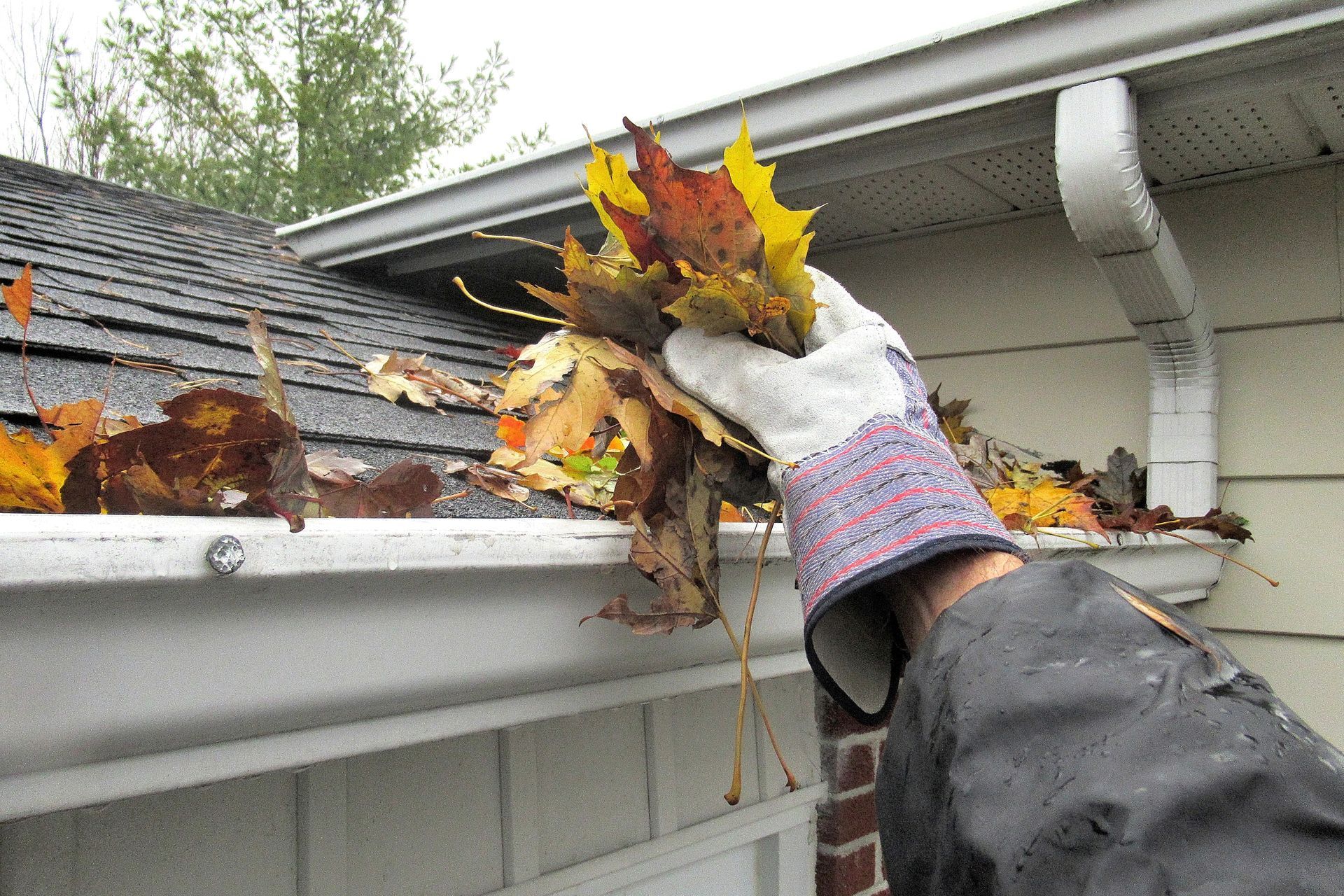
Cleaning the gutters is an unavoidable fall chore for homeowners in Central Pennsylvania. Between mature oaks dropping leaves and the seasonal cleanup before winter, getting up on a ladder to clear out debris is a standard weekend task. Most people scoop out the leaves, rinse the troughs, and move on to the next chore.
However, your gutters can tell you quite a bit about the overall condition of your roofing system. Think of the inside of your gutter troughs as a collection point for what is happening higher up on the roof deck. Paying attention to what you find beneath the leaves can help you spot early wear and tear before freezing temperatures arrive.
Granules in the Gutter: What That Fine Grit Means
Once you pull out the leaves and pine needles, look at what has settled on the bottom of the gutter trough. A small amount of loose sand is completely normal, especially on newer roofs where loose granules rinse off after initial installation.
If you are finding thick layers of dark, coarse sediment that resembles coffee grounds, that is a different story. Those are the ceramic-coated mineral granules that protect your asphalt shingles from ultraviolet light. When shingles reach the end of their functional lifespan, the asphalt dries out, loses adhesion, and begins shedding those granules in large amounts. Without that outer mineral barrier, sunlight directly exposes the raw asphalt beneath, leading to surface cracking, curling tabs, and leaks during winter freeze-thaw cycles. If you notice significant granule loss around older properties in Boalsburg or Lemont, the shingles are likely nearing the end of their service life.
Valleys and Water Pathways: Clearing Leaf Dams
Gutters are only half the equation for fall drainage. The internal valleys where two roof planes join together funnel high volumes of runoff down to the eavestroughs.
When dry leaves blow across the roof, they often collect in these recessed valleys. Add early fall rain, and those leaves form a thick, matted layer that traps moisture directly against the shingle surface. Trapped moisture keeps the shingle surface damp for days, preventing normal drying. If that water stays trapped when nighttime temperatures drop below freezing in areas like Center Hall or Port Matilda, the moisture freezes, expands, and can work its way under the edges of the shingles. Keeping valleys completely clear of debris is just as important as keeping downspouts open.
Practical Checks While Your Ladder is Out
You do not need specialized tools to do a basic health check on your roof while clearing your gutters. A few quick visual assessments can tell you if an issue needs attention:
- Check the drip edge metal along the eaves to ensure water flows straight into the gutter without slipping behind the aluminum board.
- Look closely at the bottom edges of the shingles along the roof line to confirm they lie flat without lifting, curling, or cracking.
- Check the seams around chimney flashing, vent pipes, and skylights to make sure sealants are not brittle or pulling away from the joints.
- Note any sections where the shingle surface looks patchy or discolored from heavy granule loss under overhanging tree branches.
Straightforward Fall Inspections in Central PA
Taking care of small maintenance items in mild weather prevents emergency repairs in the middle of January. Stoltzfus Bros Roofing works with homeowners across State College, Bellefonte, Lock Haven, Boalsburg, Center Hall, Lemont, Port Matilda, Pine Grove Mills, and Pleasant Gap.
If you are pulling heavy grit out of your gutters or want an honest, practical assessment of how your shingles are holding up, a professional team can provide clear answers. We focus on straightforward advice, quality craftsmanship, and helping homeowners stay ahead of seasonal roof issues without any unnecessary sales pitches.
Contact us today to schedule a fall roof evaluation before cold weather sets in.
Our Reliable and Efficient Team is Ready To Help.
Recent Posts