The Critter Crossing Audit: Securing Eaves and Roof Lines Before Wildlife Moves Indoors
Secure yout roofline before wildlife moves in the winter
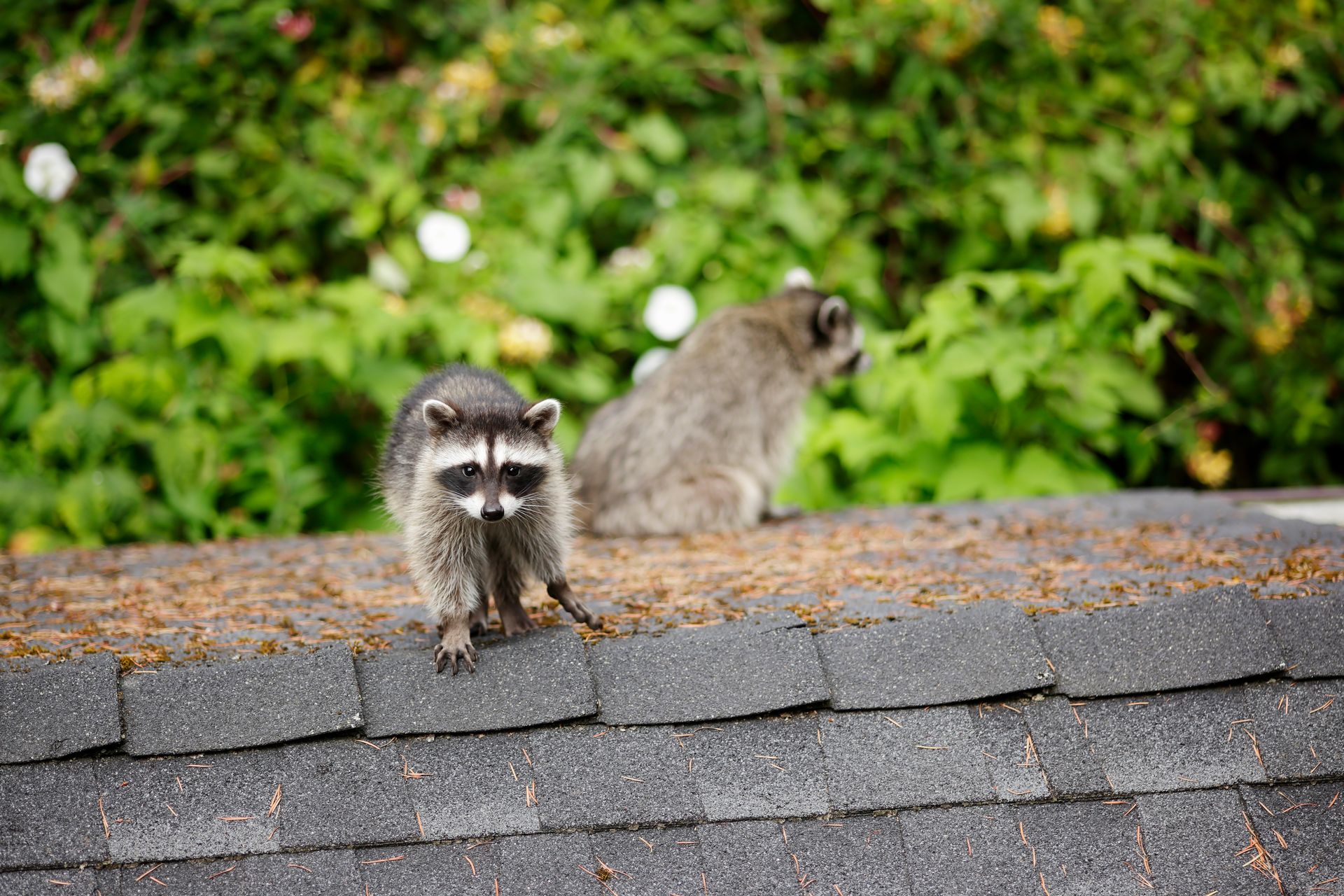
October in Central Pennsylvania brings a distinct shift in animal behavior. As overnight temperatures drop toward freezing, squirrels, raccoons, bats, and mice begin looking for dry, heated shelters to ride out the coming winter. While most people assume wildlife breaches happen near ground level around basement window wells or foundation vents, your roofline is often the most vulnerable target. An attic space filled with dry insulation represents an ideal winter den, and nuisance animals are remarkably skilled at finding the smallest structural gap along your roof perimeter.
At Stoltzfus Bros Roofing, we regularly inspect roofs where property owners suspect a routine leak, only to find that the real problem started with animal activity along the eaves. Raccoons and squirrels rarely chew through sound shingles in the middle of a roof deck. Instead, they exploit pre-existing weak spots along the perimeter—soft wood, loose drip edges, and unsealed soffit joints. A thorough exterior audit in October helps you identify and seal these vulnerability zones before pests establish territory inside your attic.
How Wildlife Exploits Weaknesses Along the Roofline
Animals are opportunistic. They test edges, listen for warmth escaping from the attic, and feel for drafts coming through small voids in the building envelope.
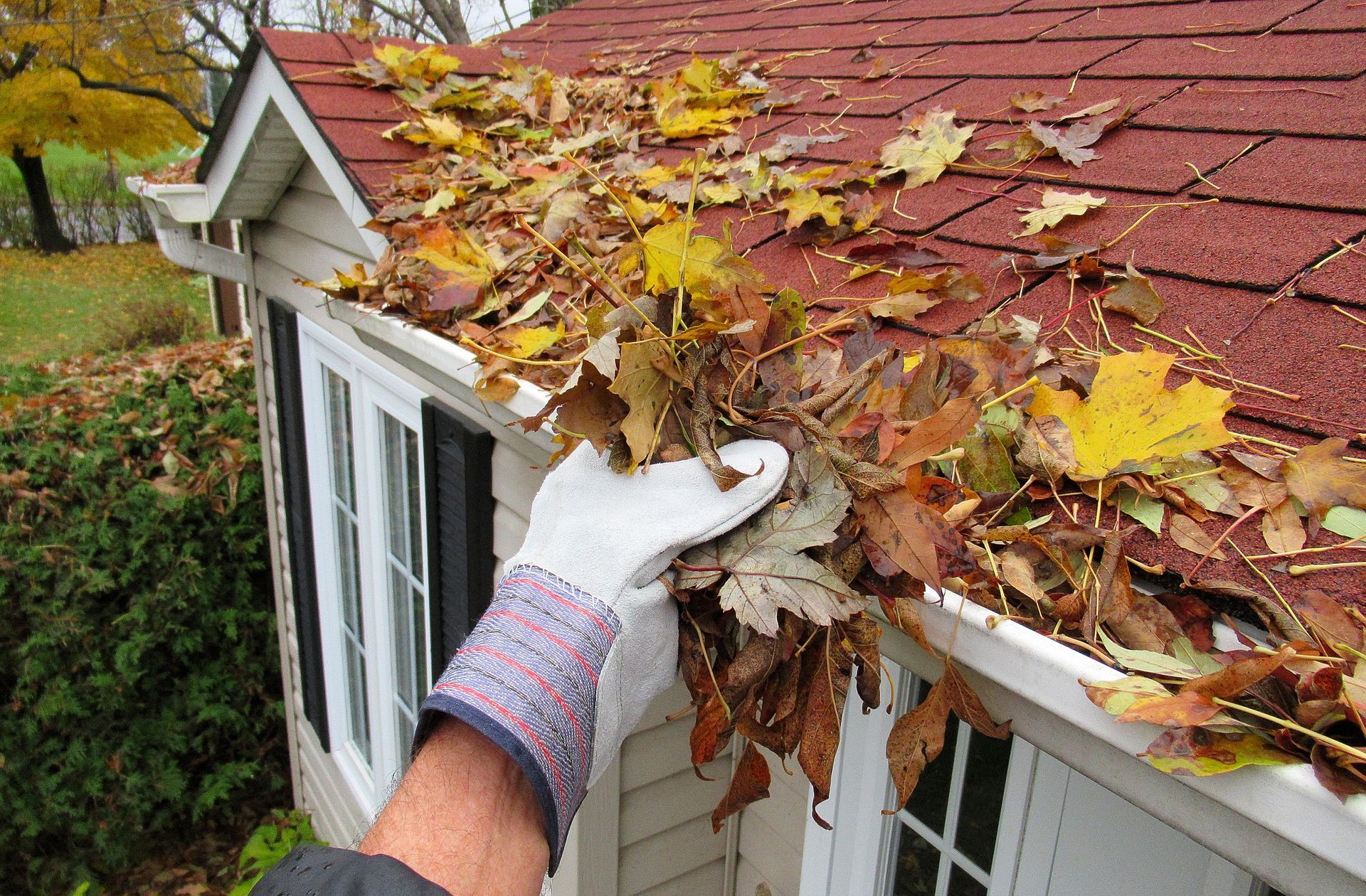
The junction where your gutters meet the fascia board is one of the most common failure points. If gutters overflow during summer thunderstorms or collect heavy debris, moisture often seeps behind the gutter channel, slowly softening the wooden fascia board. A raccoon can easily hook its claws into damp, compromised wood and pull it back to create an entrance hole.
Other common entry paths include:
- Unfastened or damaged drip edge metal that leaves a gap between the roof sheathing and the fascia.
- Warped aluminum or vinyl soffit panels that flex under minor pressure from squirrels or birds.
- Gable vents and roof louvers with torn interior screening or missing protective louvers.
- Ridge vent caps that have lifted or were fastened without the appropriate end plugs.
Once an animal gains entry, the damage escalates quickly. In addition to contaminating attic insulation and chewing through electrical wiring, wildlife can tear through vapor barriers and dislodge ductwork. Furthermore, the holes they create let driving rain and blowing winter snow into the attic, leading directly to rotten rafters and ceiling leaks.
Building a Physical Defense with Modern Roof Components
Preventing animal intrusion requires structural integrity rather than temporary chemical repellents. When a roof is built and detailed correctly, the physical barriers leave no room for pests to gain leverage.
Because our team exclusively installs Owens Corning roofing systems, we approach animal defense by ensuring every layer of the roof assembly is mechanically secured and reinforced with premium materials:
- Sound Wood Decking and Solid Fascia: We inspect the perimeter sheathing and replace any water-damaged fascia boards with sound, solid timber before installing metal edges.
- Heavy-Gauge Drip Edge: Installing continuous metal drip edges tightly along eaves and rakes ensures there is no exposed wooden lip for rodents to gnaw.
- Durable Ice and Water Barriers: Owens Corning WeatherLock self-sealing ice and water barrier membranes adhere directly to the roof deck, creating a rubberized asphalt shield along the lowest edge that resists tearing and seals around fasteners.
- Rigid Ridge Ventilation: Modern exhaust systems like Owens Corning VentSure ridge vents are constructed from rugged, impact-resistant polypropylene. They feature integrated internal baffles and closed end caps that allow hot, humid air to escape while completely blocking animal, insect, and weather infiltration.
What Homeowners Can Check from the Ground This Month
You do not need to walk the roof to spot potential access routes. Take a pair of binoculars and walk the perimeter of your property on a bright October morning:
- Scan the roofline for signs of dark scuff marks or staining along downspouts and corners, which often indicate an animal runway.
- Check for sagging gutters or visible gaps between the top of the gutter and the shingle overhang.
- Look closely at the rake edges on gable ends to ensure trim boards sit flush against the masonry or siding without warped seams.
- Check tree limbs. Any branches within six to eight feet of your roof serve as an easy bridge for squirrels looking to hop onto your shingles.
Reliable Local Protection Across Central Pennsylvania
Taking time to secure your eaves in mild fall weather keeps your home protected, dry, and pest-free throughout the coldest months of the year. Stoltzfus Bros Roofing provides expert roofing inspections, repairs, and complete system replacements throughout State College, Bellefonte, Lock Haven, Boalsburg, Centre Hall, Lemont, Port Matilda, Pine Grove Mills, and Pleasant Gap.
We take pride in providing thorough, detail-oriented evaluations that protect your home from top to bottom. If you want to ensure your roofline is buttoned up, structurally sound, and ready for whatever winter brings, our team is here to help with honest recommendations and proven installation standards.
Contact us today to schedule your fall roofline audit.
Our Reliable and Efficient Team is Ready To Help.
Recent Posts