The Melt-Down Protocol: What to Do When Melting Snow Leads to Indoor Drips
Your step by step guide to stopping thaw time leaks in State College and Centre County
Winter in Central Pennsylvania is undeniably beautiful, but for a homeowner, it often brings a specific kind of anxiety. You’ve just survived a heavy State College snowstorm, the sun finally comes out, and you hear it—the rhythmic drip, drip, drip of water hitting your drywall. While many people think roof leaks only happen during a torrential summer downpour, the reality is that the thaw can be much more dangerous for your home’s interior than the storm itself.
At Stoltzfus Bros Roofing, we see this scenario play out every February and March across Bellefonte, Boalsburg, and Centre Hall. The snow starts to melt, but instead of running into your gutters, it finds its way into your kitchen or bedroom. If you are currently staring at a damp spot on your ceiling, you need a plan. This is the melt-down protocol—a step-by-step guide to containing the damage and protecting your investment until the experts can arrive.
Step 1: Contain the Chaos and Relieve the Pressure
The moment you spot water, your priority is internal damage control. Move furniture, electronics, and valuables out of the splash zone. Grab a bucket or a plastic bin to catch the water, but here is a pro tip: if you see a bulge in your ceiling or a "bubble" forming in the paint, the water is pooling on top of the drywall.
Instead of letting that weight increase until the ceiling collapses, take a screwdriver and carefully puncture a small hole in the center of the bulge. This allows the water to drain into your bucket in a controlled stream, relieving the pressure on your ceiling structure and preventing a much messier, more expensive drywall repair later. While it feels counterintuitive to poke a hole in your ceiling, it is often the best way to prevent a total ceiling failure in homes across Lemont and Port Matilda.
Step 2: The Screwdriver Isn't the Only Tool—Grab the Binoculars
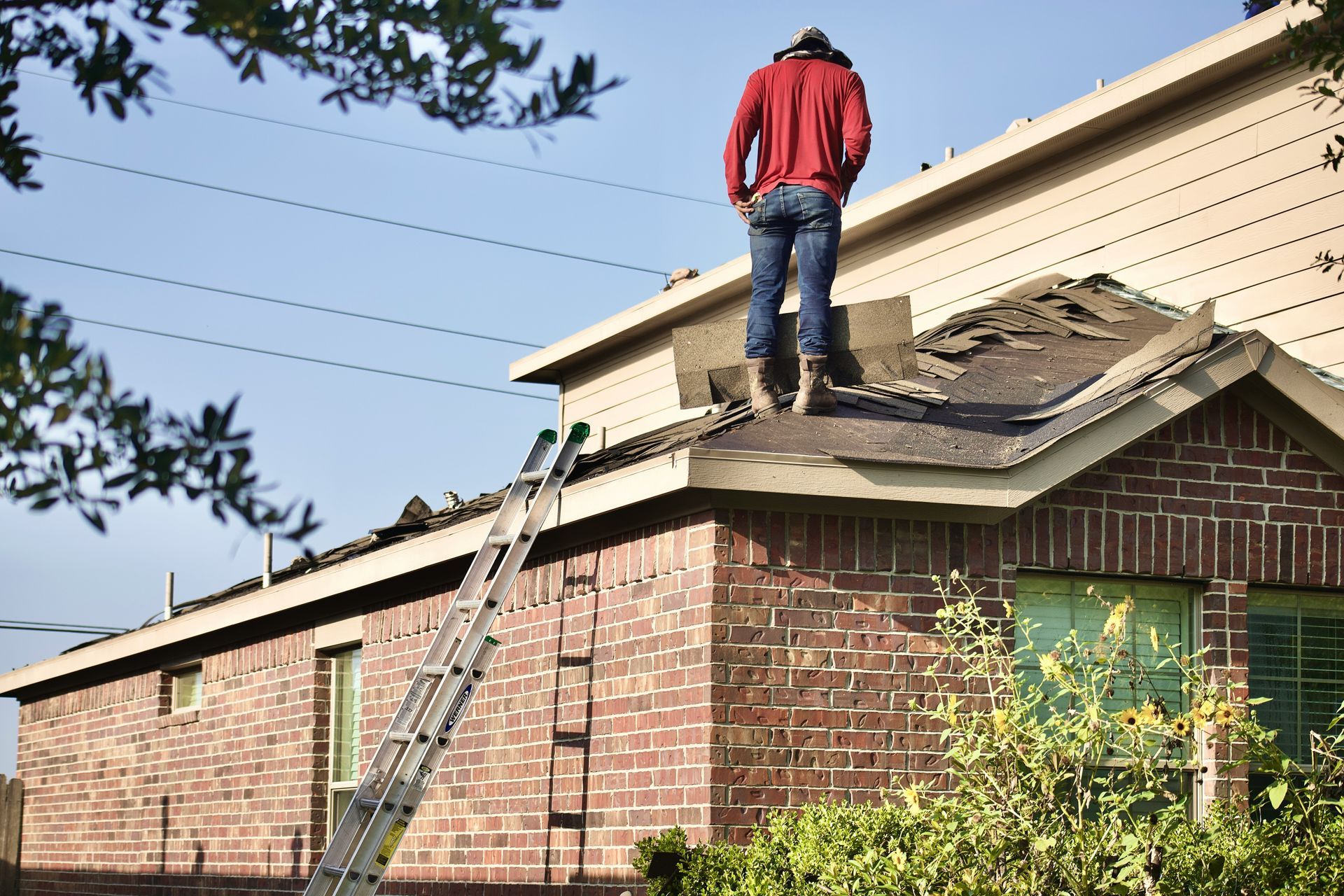
Once the indoor situation is stabilized, your next goal is to understand what is happening outside without putting yourself in danger. Never climb onto a snowy or icy roof. It is incredibly slippery, and a fall can be catastrophic. Instead, grab a pair of binoculars and step into your yard in Pine Grove Mills or Pleasant Gap.
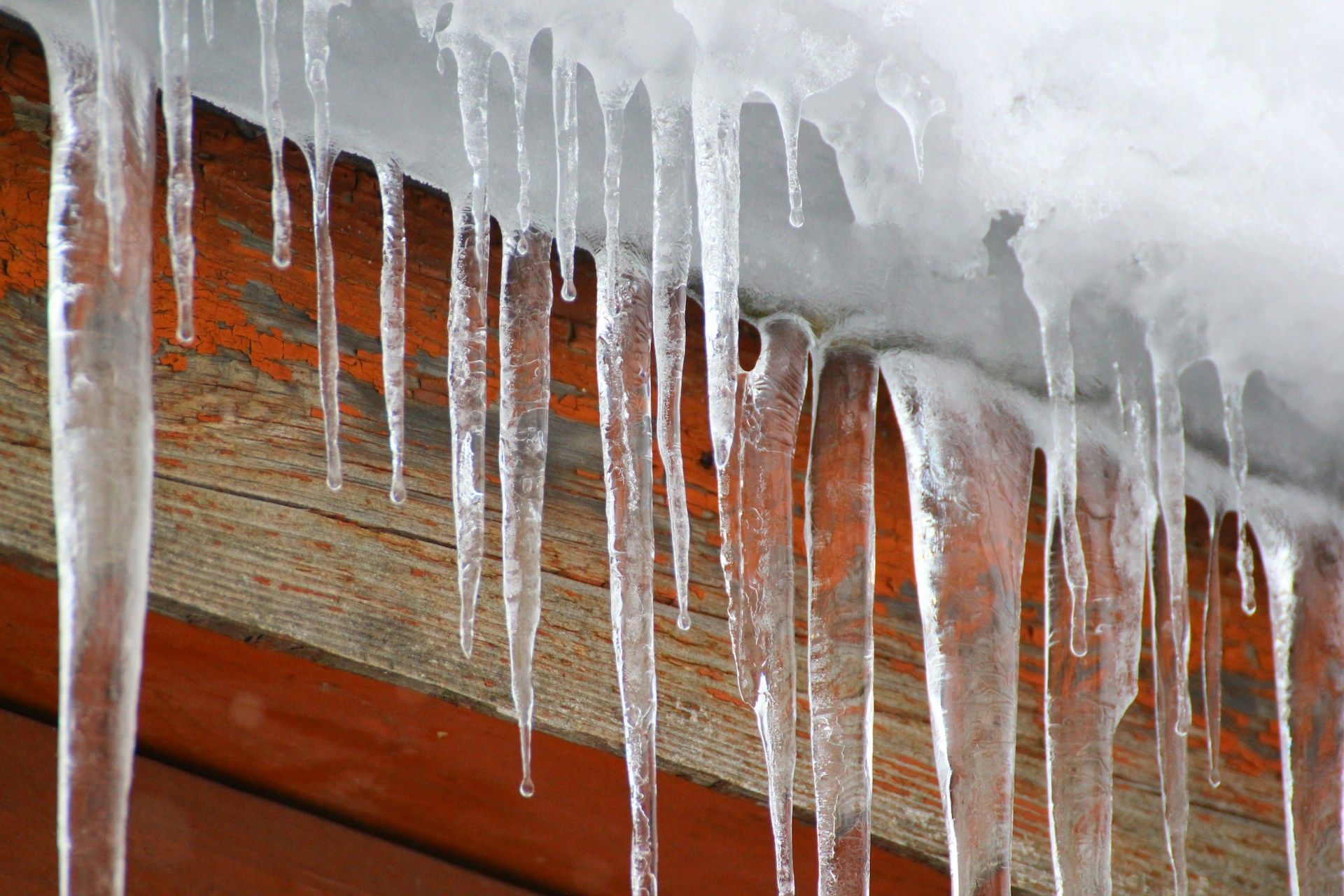
Look for ice dams—thick ridges of ice that form along the eaves and gutters. These dams act like a wall, trapping melting snow behind them. This trapped water has nowhere to go, so it backs up under your asphalt shingles and eventually seeps into your attic. You may also notice large icicles or snow that is melting unevenly. Identifying these problem areas helps us when we arrive for your roof repair, as we can pinpoint exactly where the ventilation or insulation is failing.
Step 3: Managing the "Active" Leak Safely
There are a few things you can do from the ground to help slow the leak, but there are even more things you should avoid.
- Do use a roof rake: If you can safely reach the lower three to four feet of your roof with a long-handled roof rake while standing on the ground, removing that fresh snow can help stop the "fuel" from reaching the ice dam.
- Do not use a hammer or ice pick: Chipping away at ice dams is the fastest way to destroy your shingles. You will likely poke holes in the asphalt membrane, turning a seasonal leak into a permanent one.
- Do not use rock salt: Standard salt is corrosive and can damage your gutters and even the shingles themselves. If you must use a melter, look for calcium chloride, but even then, it is a temporary fix that can be hard on your landscaping.
The Stoltzfus Bros. Winter Rescue
When you call Stoltzfus Bros Roofing during a winter meltdown, we don’t just slap a patch on and leave. We understand the unique challenges of Central PA winters. Our first move is to safely assess the situation and, if possible, create drainage channels through the ice to allow the trapped water to escape away from your home.
Serving State College, Bellefonte, Lock Haven, Boalsburg, Centre Hall, Lemont, Port Matilda, Pine Grove Mills, and Pleasant Gap, we specialize in winter roof repair that addresses both the immediate emergency and the underlying cause. Often, a winter leak is a symptom of poor attic ventilation or inadequate insulation. Once the weather clears, we can help you upgrade your roofing system so you never have to grab that screwdriver and bucket again.
If you’re dealing with a winter roof leak, don’t wait for the next freeze-thaw cycle to make it worse. Contact us at [insert contact page link here] and let us help you get through the melt safely.
Our Reliable and Efficient Team is Ready To Help.
Recent Posts